Hard Fern
Blechnum Spicant
Species Details
Ferns

- Family:
-
Blechnaceae
- Origin:
-
Native
- Habitat:
-
Woodland, Moorland, Mountain Grassland
Image Gallery
When to See Me

How to Identify Me
Hard Fern, often known as Deer Fern, is an evergreen perennial that’s relatively common throughout the UK and Europe. It’s a key species for Red Deer, as during the winter when there are few green plants available the deer will seek it out, hence the colloquial name. Deer are also known to rub their antler stubs on it after shedding, leading to it’s use in traditional medicine to treat sores, or other skin problems.
In the past it was also used as a treatment for stomach ailments / lung disorders, and the rhizome was boiled into a concentrated liquor as a cure for diarrhoea. Occasionally this use extended to emergency food supplies, with both the rhizomes and tender stems providing a source of starch.
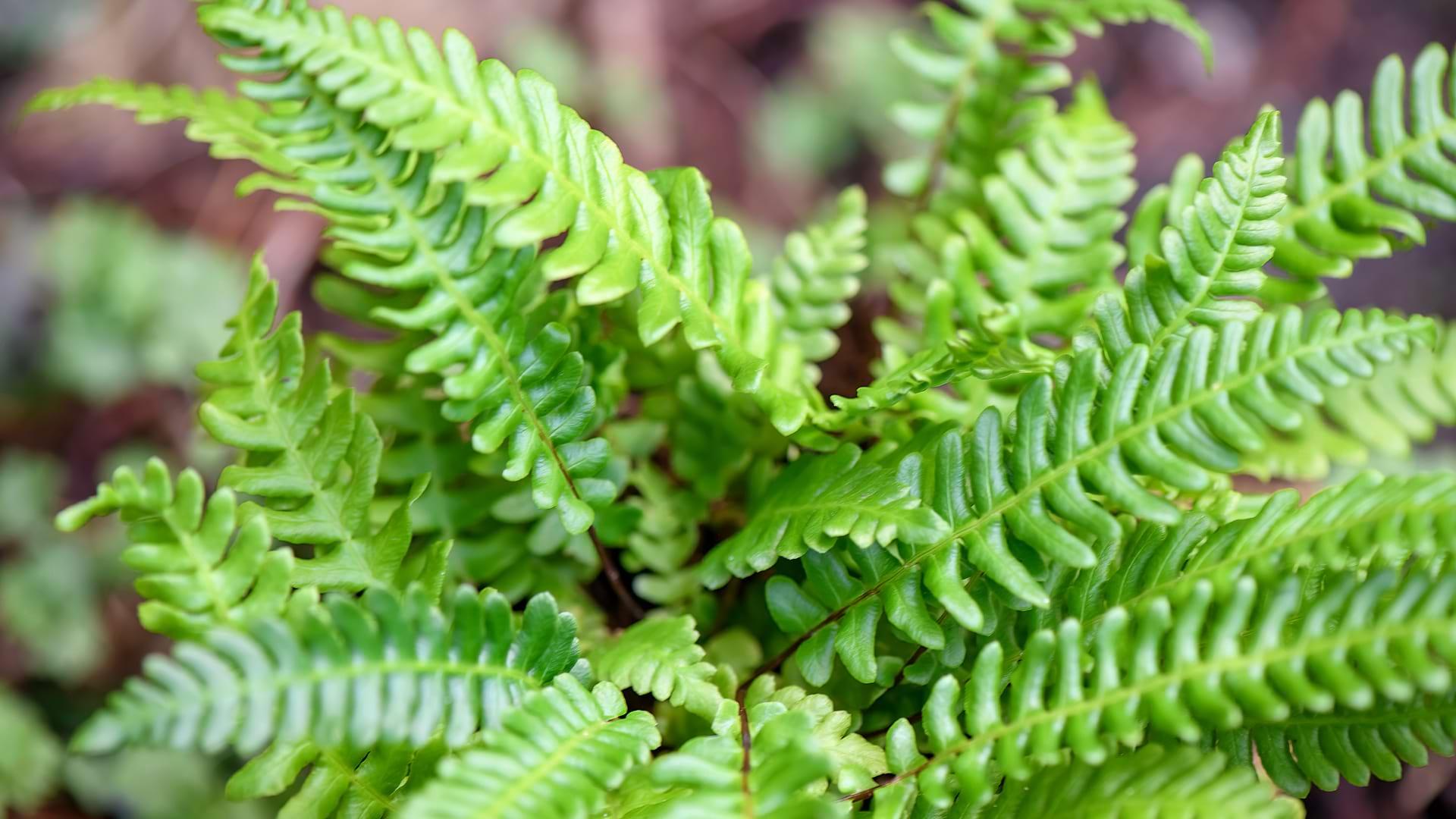
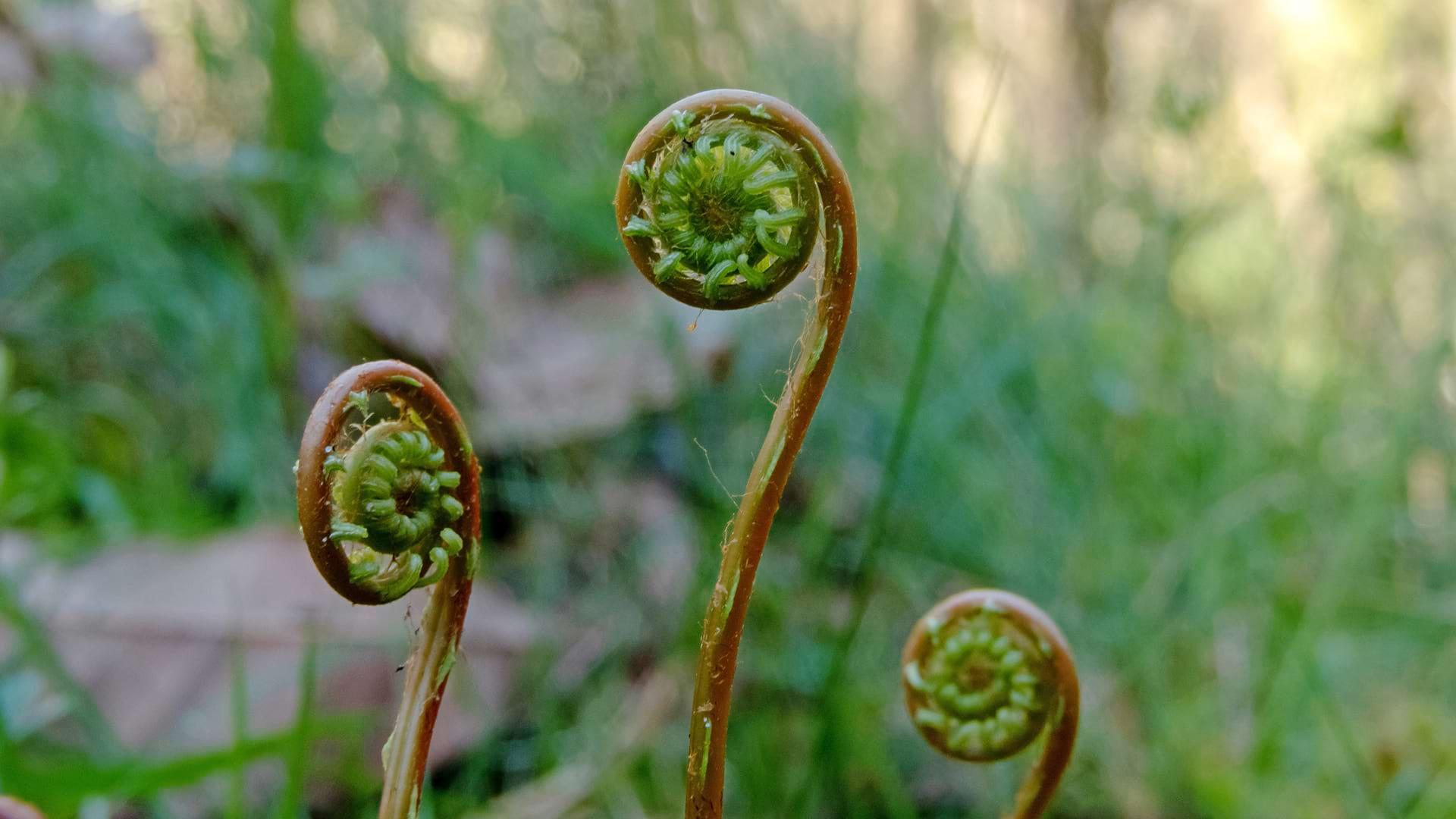
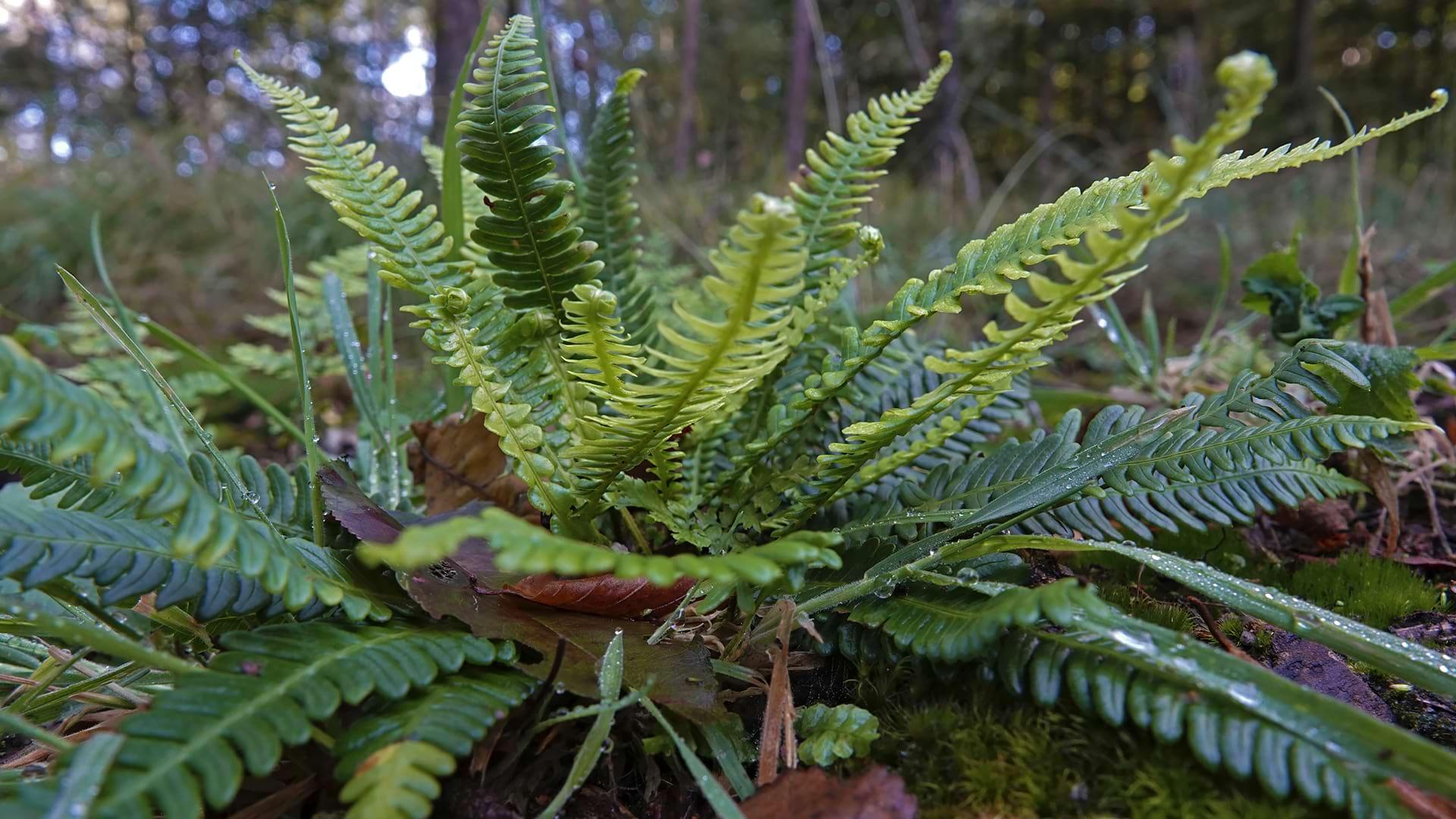
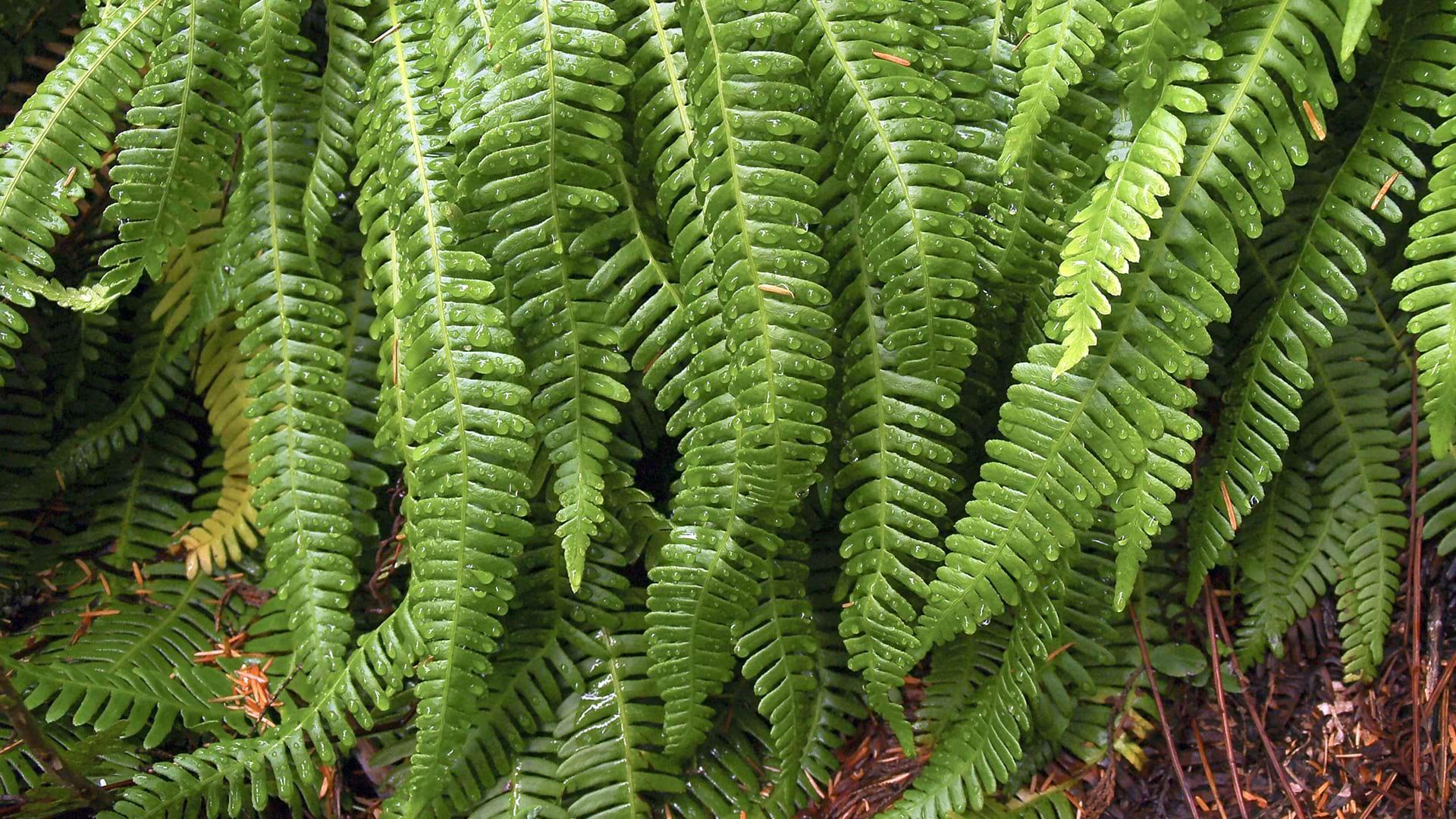
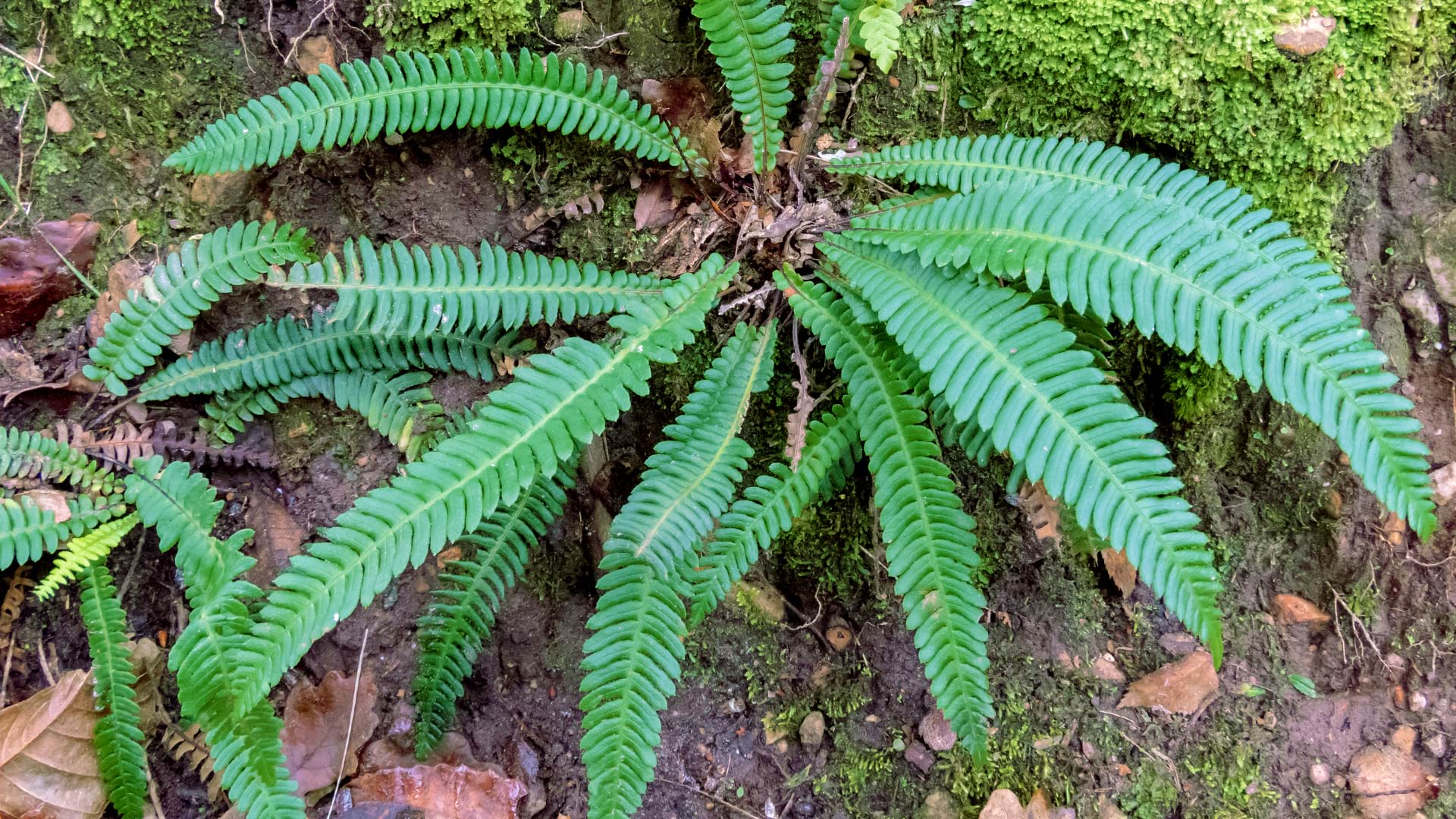
The Hard fern is known for its’ "two-leaved" appearance with chunky sterile fronds spreading around the more delicate central fronds. The ferns form neat tufts with glossy, dark green fronds that have slightly wavy edges. These grow around the central (fertile) frond, that rise gently in spring, slowly unfurling from the middle of the older leaves.
Where to Find Me
As with many other ferns on the property you shouldn’t have much trouble finding it. Probably the most obvious spot is along stage 2 of the walk around the area known as Mossy Glen, especially along the stairs that descend from the top of the cliff near the Bog Ponds.
Learn More
Hard Fern
Blechnum Spicant
Image Gallery
Species Details
Ferns
- Family:
-
Blechnaceae
- Origin:
-
Native
- Habitat:
-
Woodland, Moorland, Mountain Grassland
Hard Fern, often known as Deer Fern, is an evergreen perennial that’s relatively common throughout the UK and Europe. It’s a key species for Red Deer, as during the winter when there are few green plants available the deer will seek it out, hence the colloquial name. Deer are also known to rub their antler stubs on it after shedding, leading to it’s use in traditional medicine to treat sores, or other skin problems.
In the past it was also used as a treatment for stomach ailments / lung disorders, and the rhizome was boiled into a concentrated liquor as a cure for diarrhoea. Occasionally this use extended to emergency food supplies, with both the rhizomes and tender stems providing a source of starch.
The Hard fern is known for its’ "two-leaved" appearance with chunky sterile fronds spreading around the more delicate central fronds. The ferns form neat tufts with glossy, dark green fronds that have slightly wavy edges. These grow around the central (fertile) frond, that rise gently in spring, slowly unfurling from the middle of the older leaves.
As with many other ferns on the property you shouldn’t have much trouble finding it. Probably the most obvious spot is along stage 2 of the walk around the area known as Mossy Glen, especially along the stairs that descend from the top of the cliff near the Bog Ponds.