Comma
Polygonia c-album
Species Details
Moths & Butterflies
- Family:
-
Nymphalidae
- Origin:
-
Native
- Diet:
-
Stinging Nettle
Image Gallery
When to See Me

Spotting Tips
The Comma is distinctive butterfly that has been spreading north in recent years, and can now be seen regularly in the Highlands. In the mid-1800s the Comma was only found in Welsh Marches, but after adapting a preference to stinging nettles its range steadily expanded.
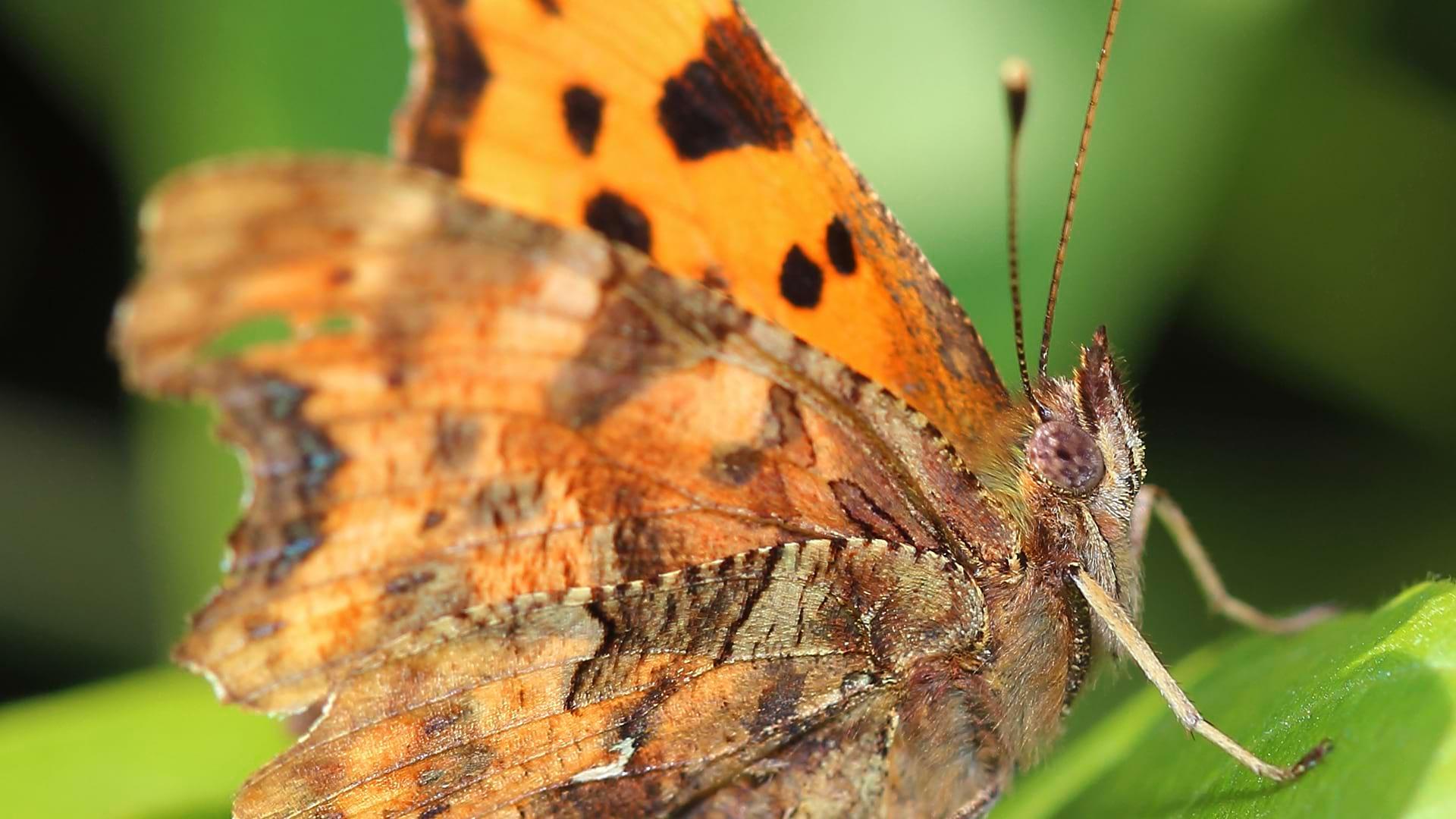
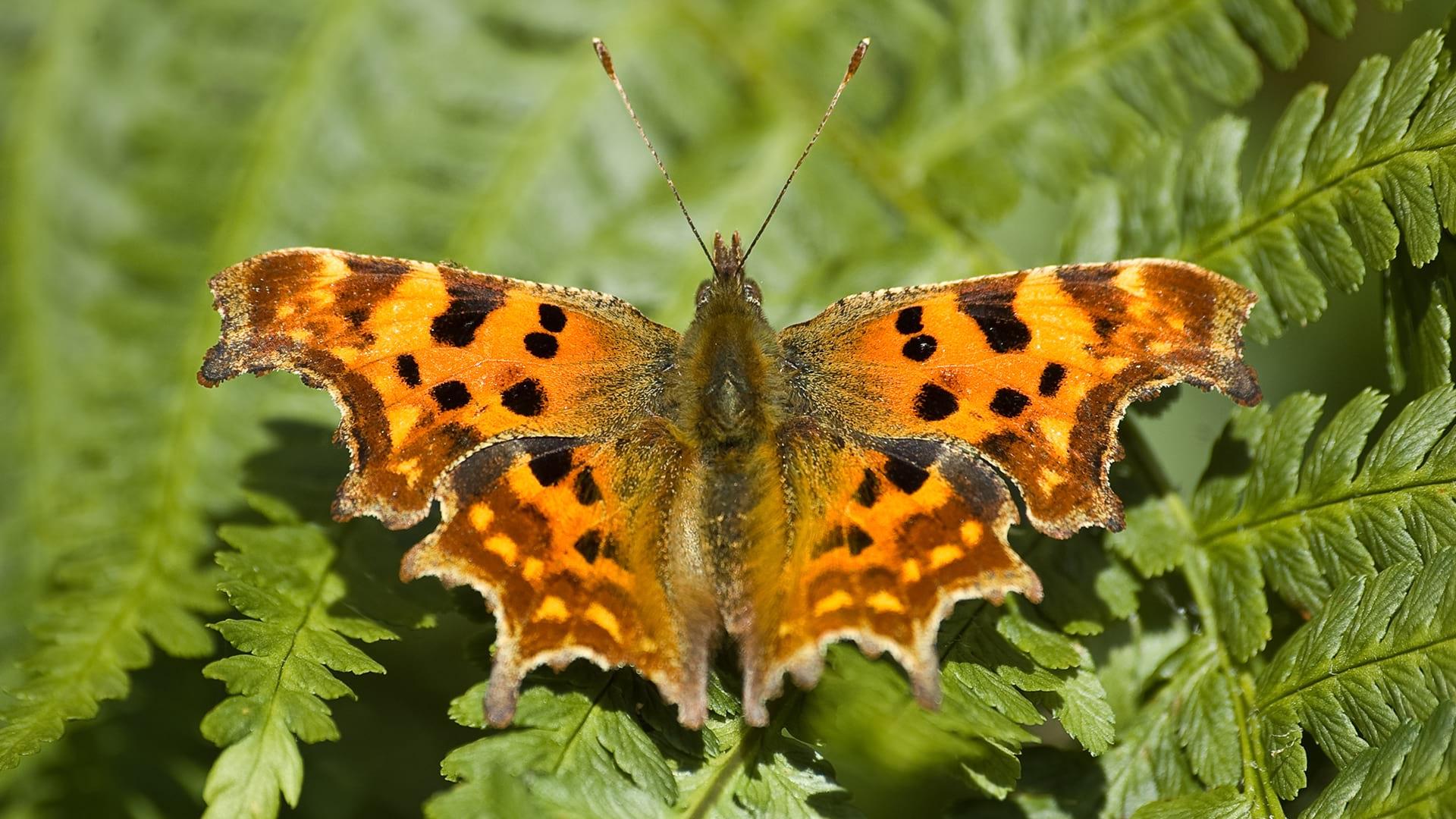
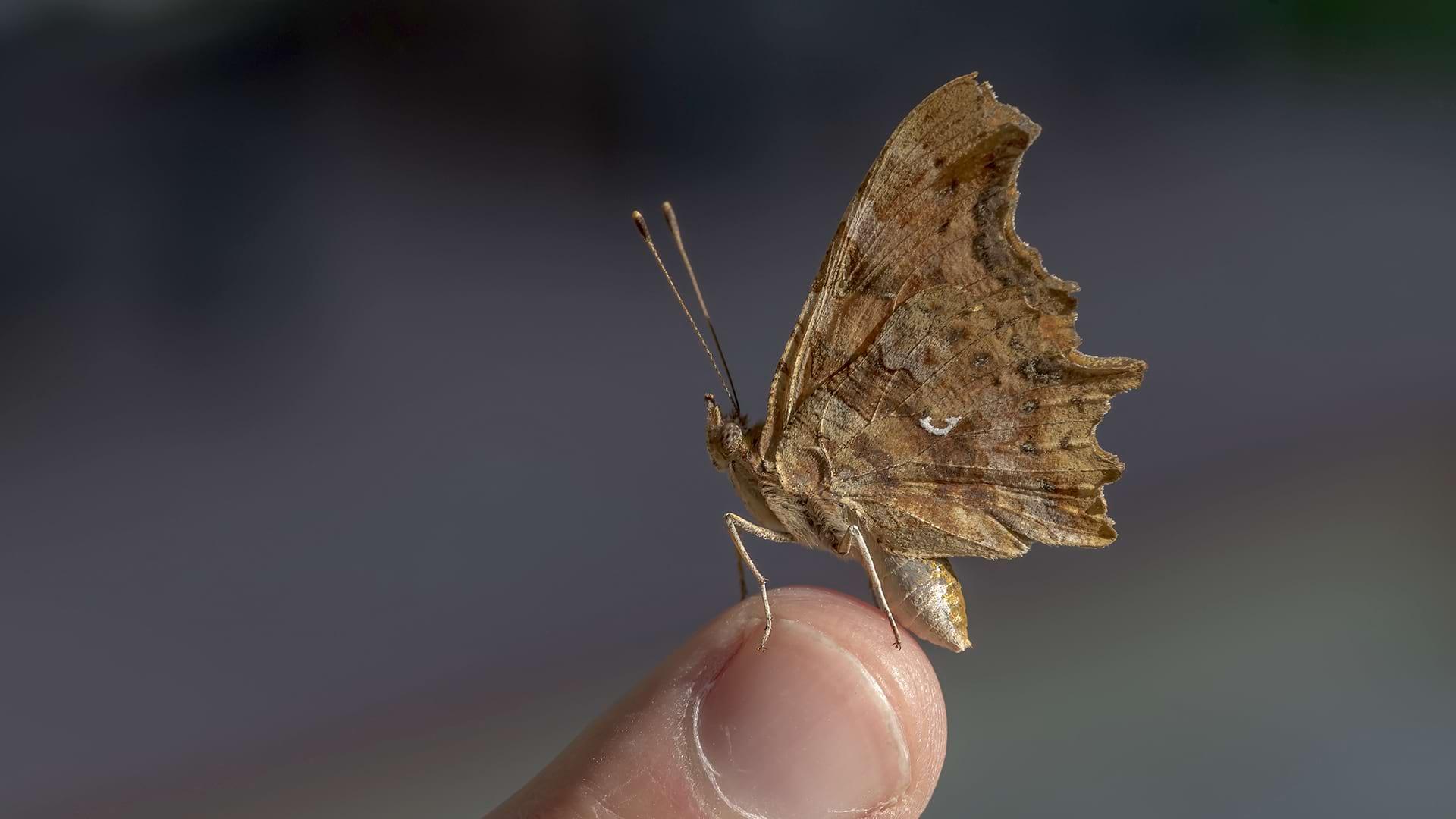
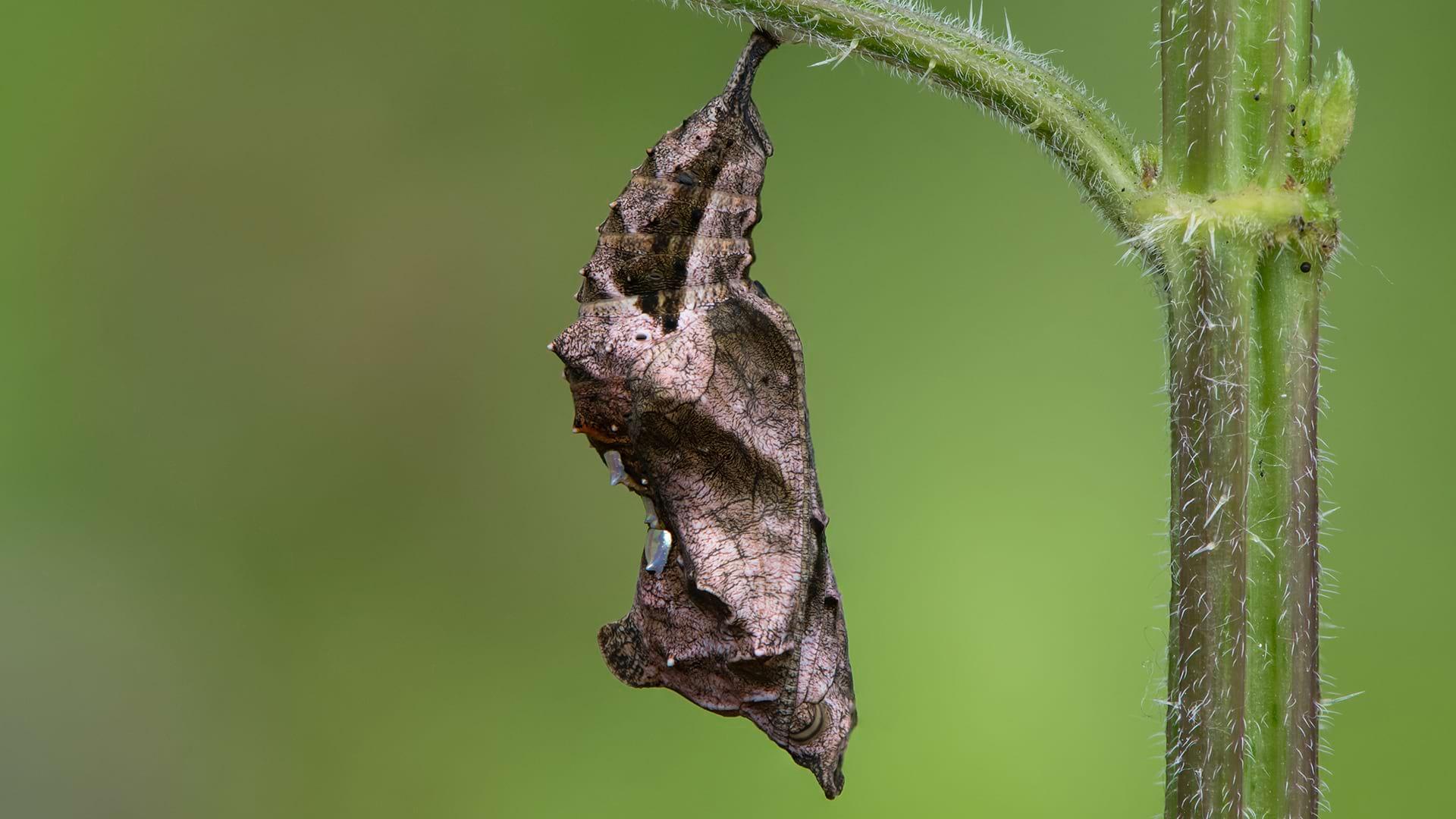
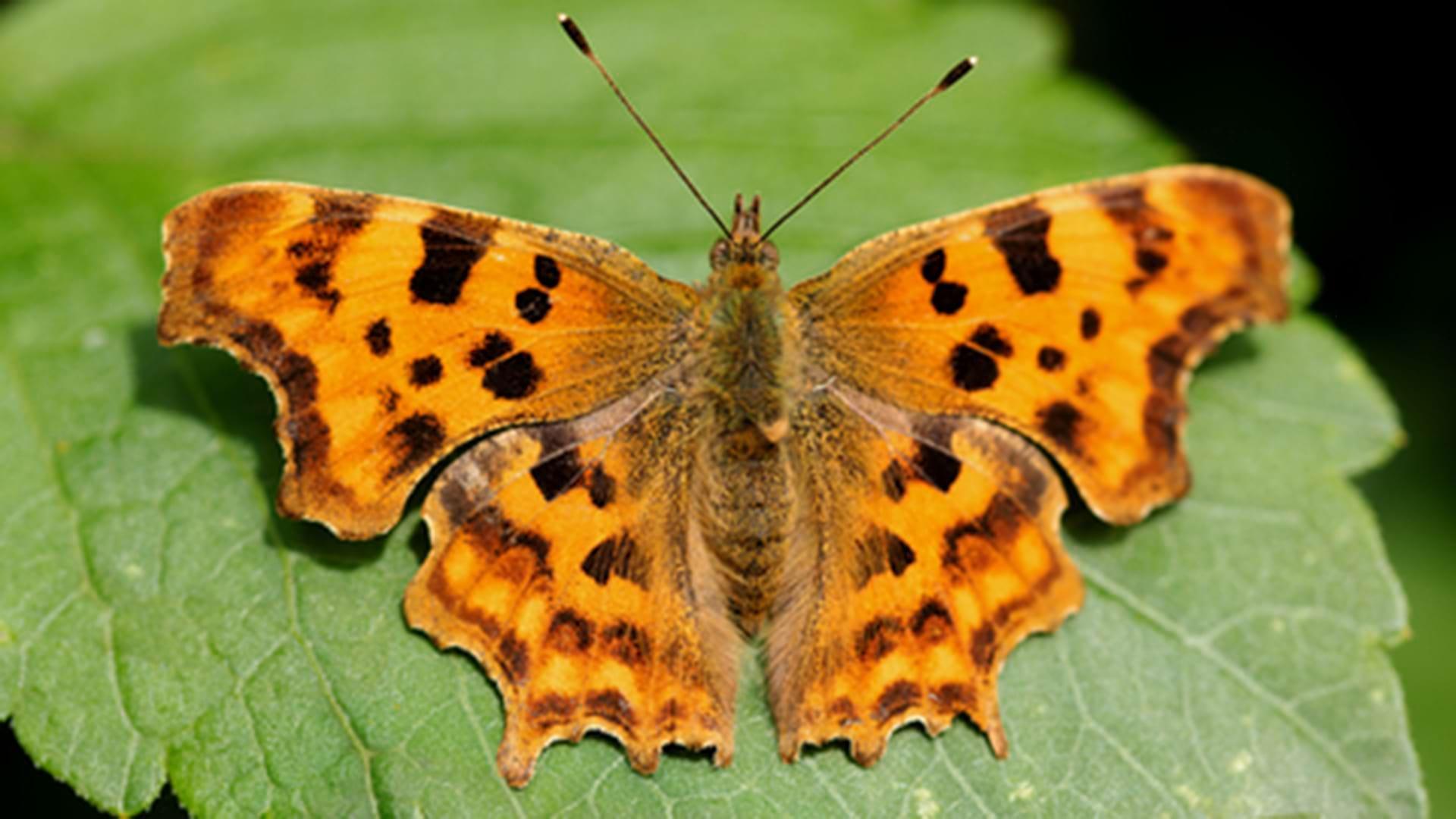
The wings have a ragged outline with scalloped edges, and the brown colouring of the underside conceals them well amongst dead leaves. When fully opened the wings reveal a complex pattern of orange-brown markings making it one of the more photogenic butterflies you’ll see in the UK.
The species has a flexible life cycle, allowing it to capitalize on favourable weather, however in the Highlands this is usually restricted to the spring and summer months.
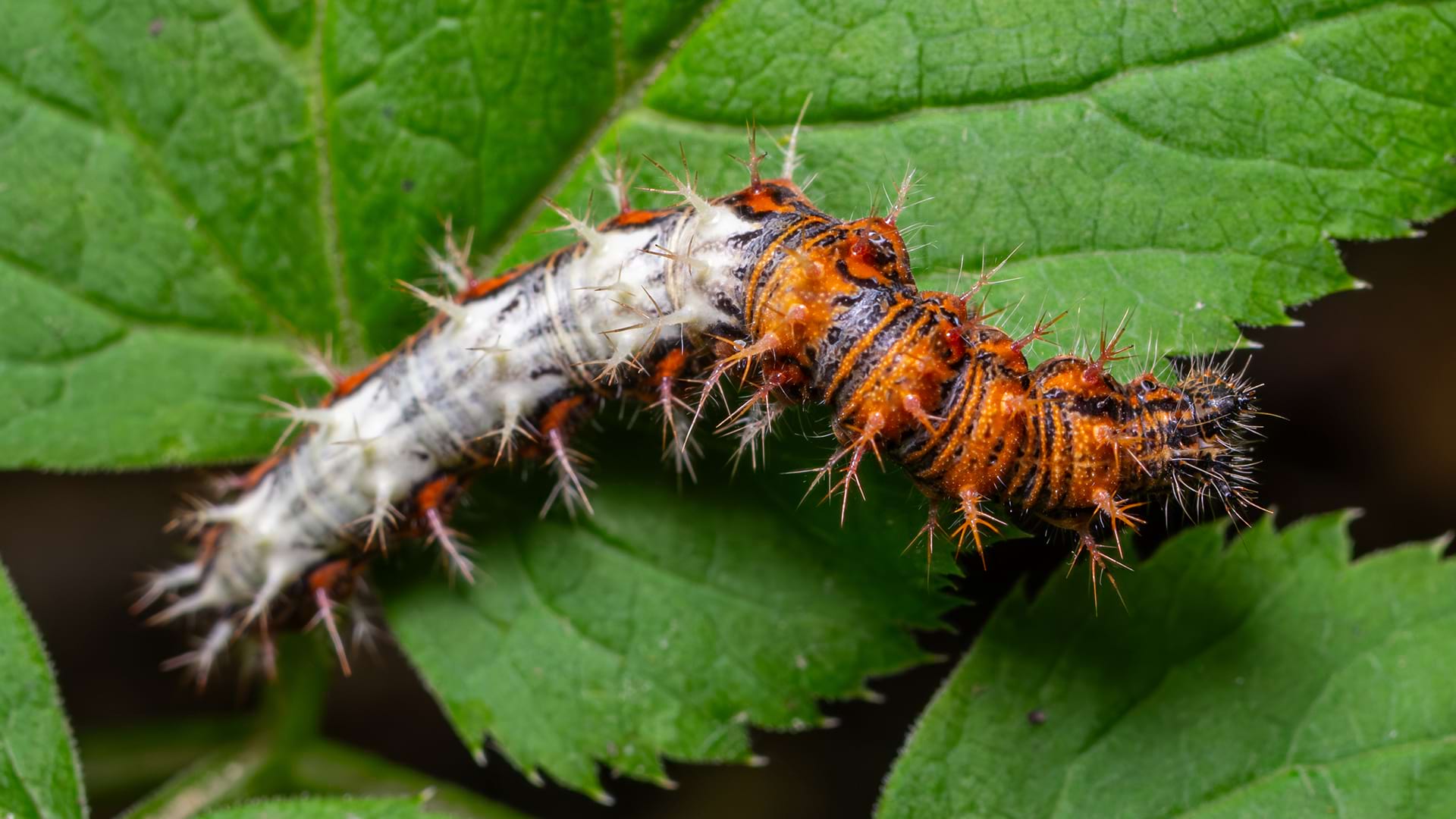
- Caterpillars: Orangey-Brown / Black, with a large white mark covering the back part of its body. Covered in many branched spines, these caterpillars’ favourite food is stinging nettles.
- Adults: The distinctive orange and brown wings are around 5-6cm, and have a white ‘comma’ mark that gives it its’ name. Generally found on the edge of woodlands searching for nectar or sugars from fallen fruit in late summer.
Where to Find Me
Comma
Polygonia c-album
Image Gallery
Species Details
Moths & Butterflies
- Family:
-
Nymphalidae
- Origin:
-
Native
- Diet:
-
Stinging Nettle
The Comma is distinctive butterfly that has been spreading north in recent years, and can now be seen regularly in the Highlands. In the mid-1800s the Comma was only found in Welsh Marches, but after adapting a preference to stinging nettles its range steadily expanded.
The wings have a ragged outline with scalloped edges, and the brown colouring of the underside conceals them well amongst dead leaves. When fully opened the wings reveal a complex pattern of orange-brown markings making it one of the more photogenic butterflies you’ll see in the UK.
The species has a flexible life cycle, allowing it to capitalize on favourable weather, however in the Highlands this is usually restricted to the spring and summer months.
- Caterpillars: Orangey-Brown / Black, with a large white mark covering the back part of its body. Covered in many branched spines, these caterpillars’ favourite food is stinging nettles.
- Adults: The distinctive orange and brown wings are around 5-6cm, and have a white ‘comma’ mark that gives it its’ name. Generally found on the edge of woodlands searching for nectar or sugars from fallen fruit in late summer.