Common Adder
Vipera berus
Species Details
Reptiles
- Family:
-
Viperidae
- Origin:
-
Native
- Diet:
-
Small mammals, amphibians, birds, reptiles
Image Gallery
When to See Me

Spotting Tips
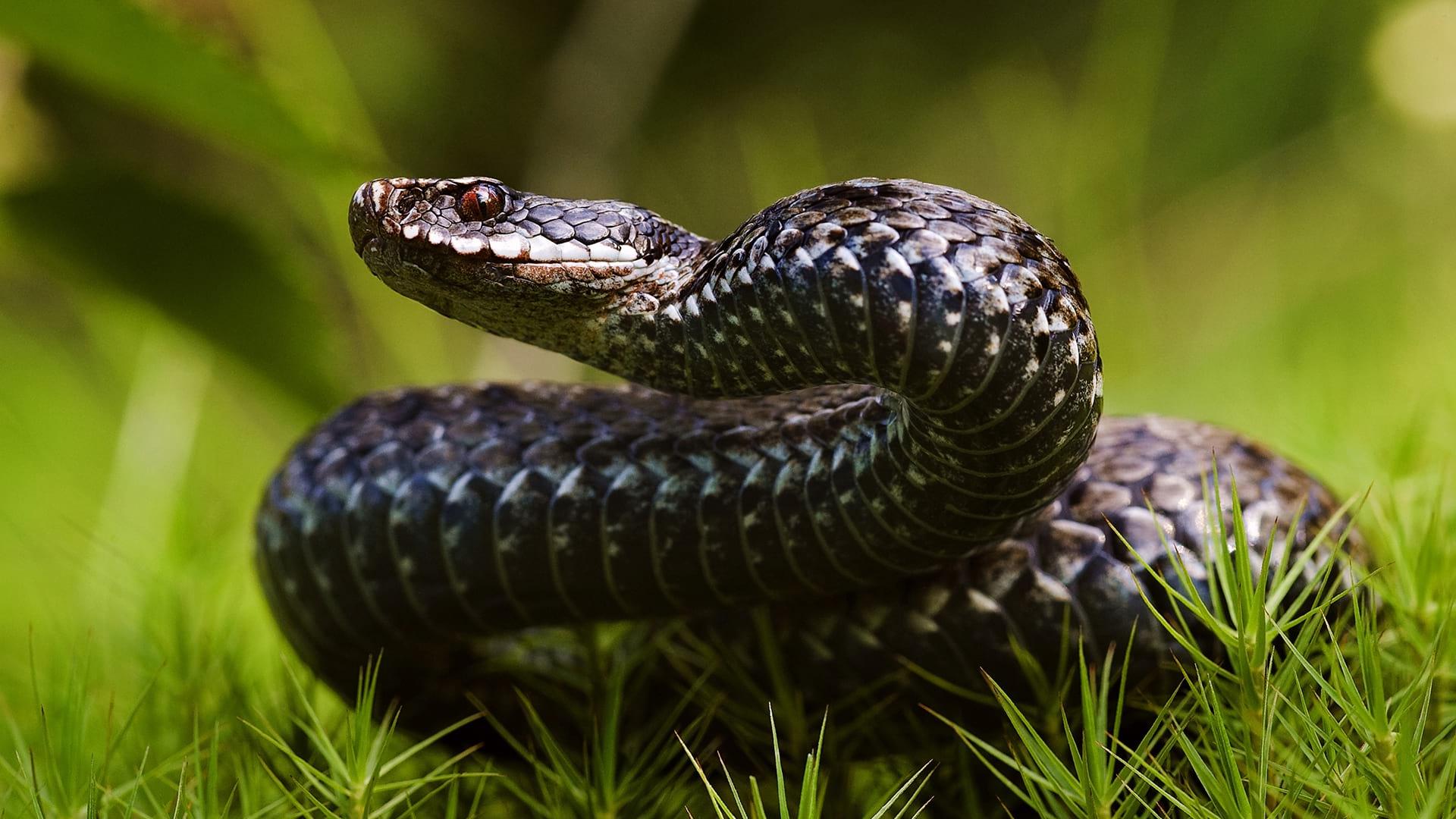
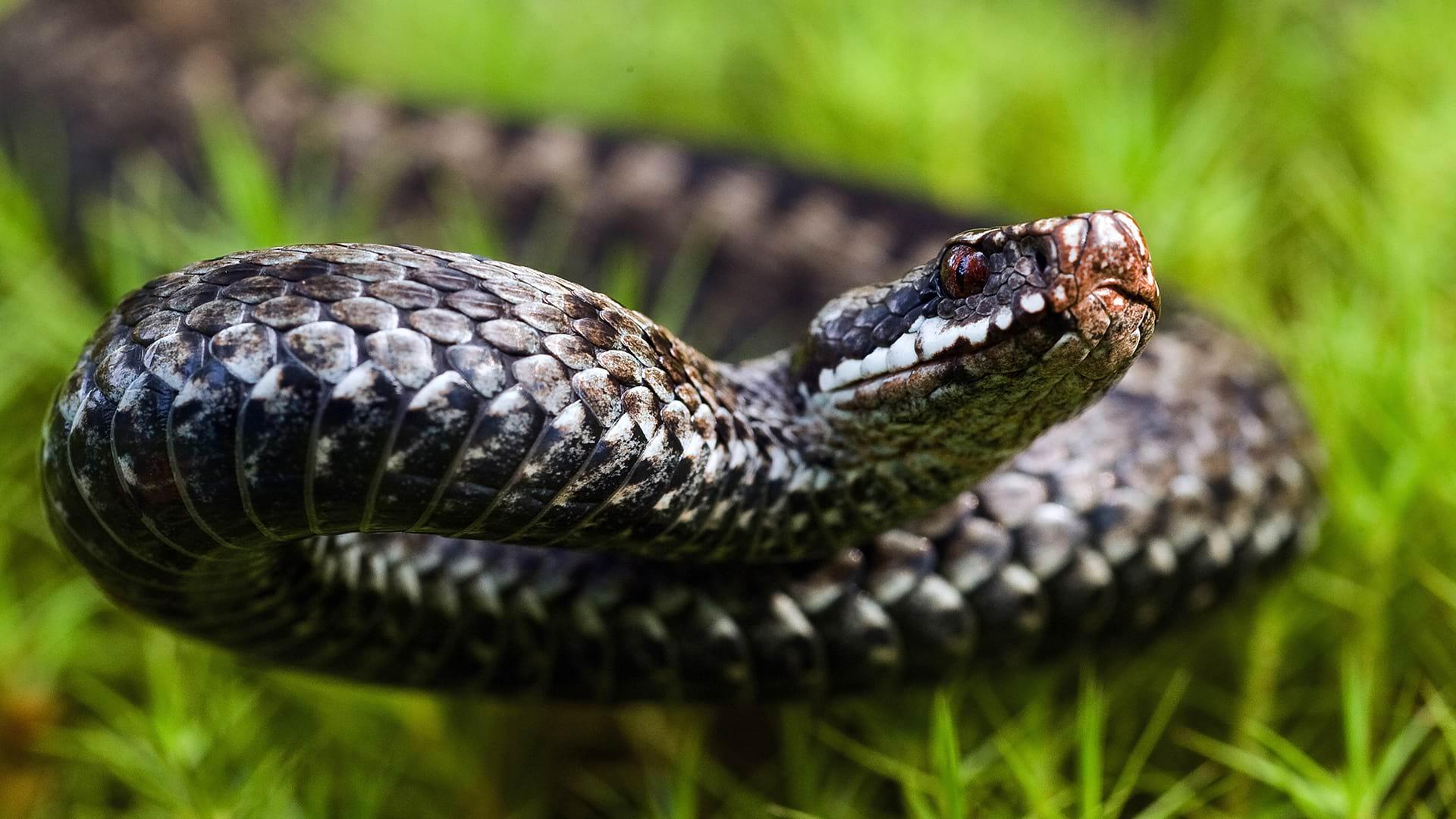
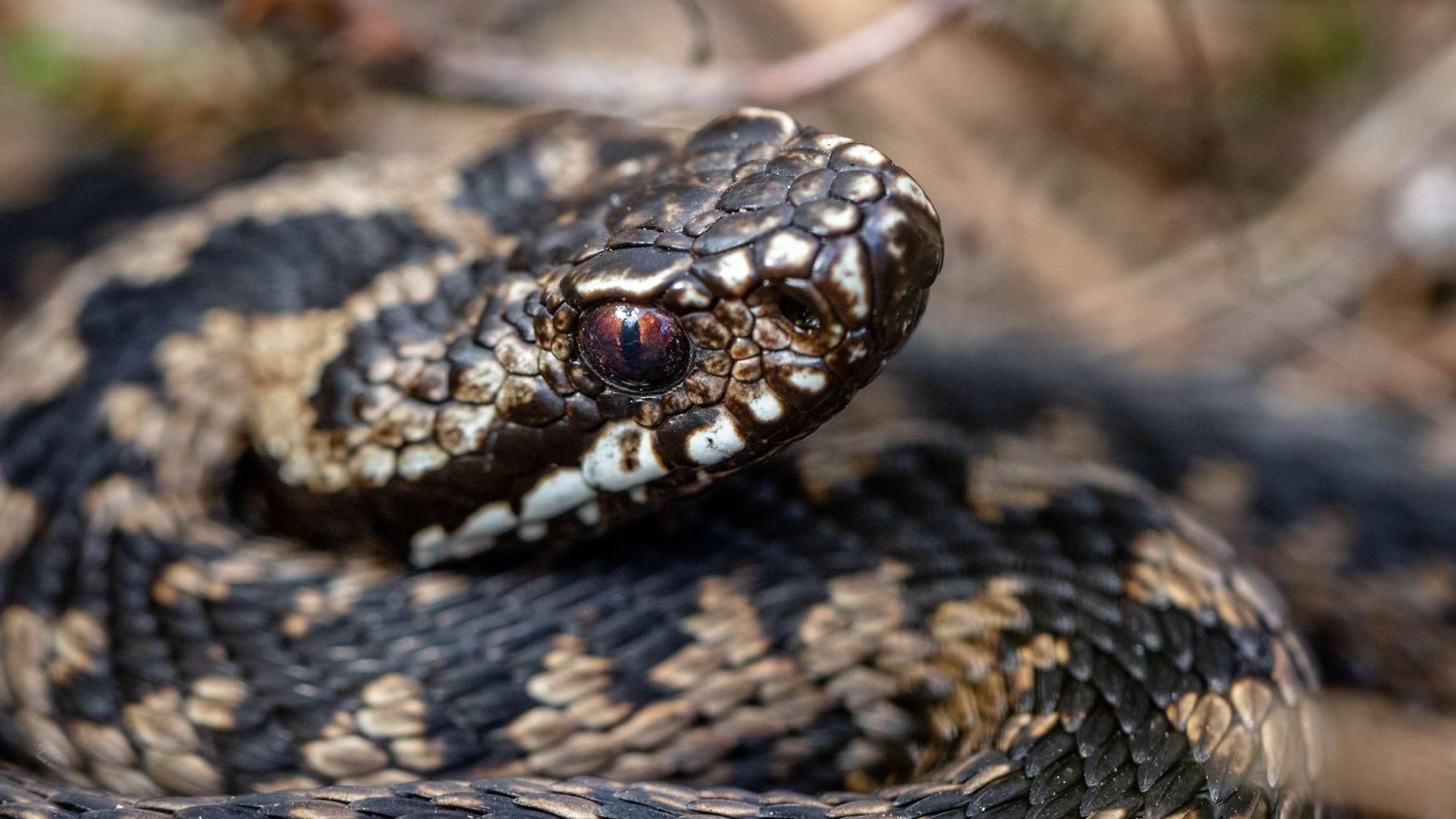
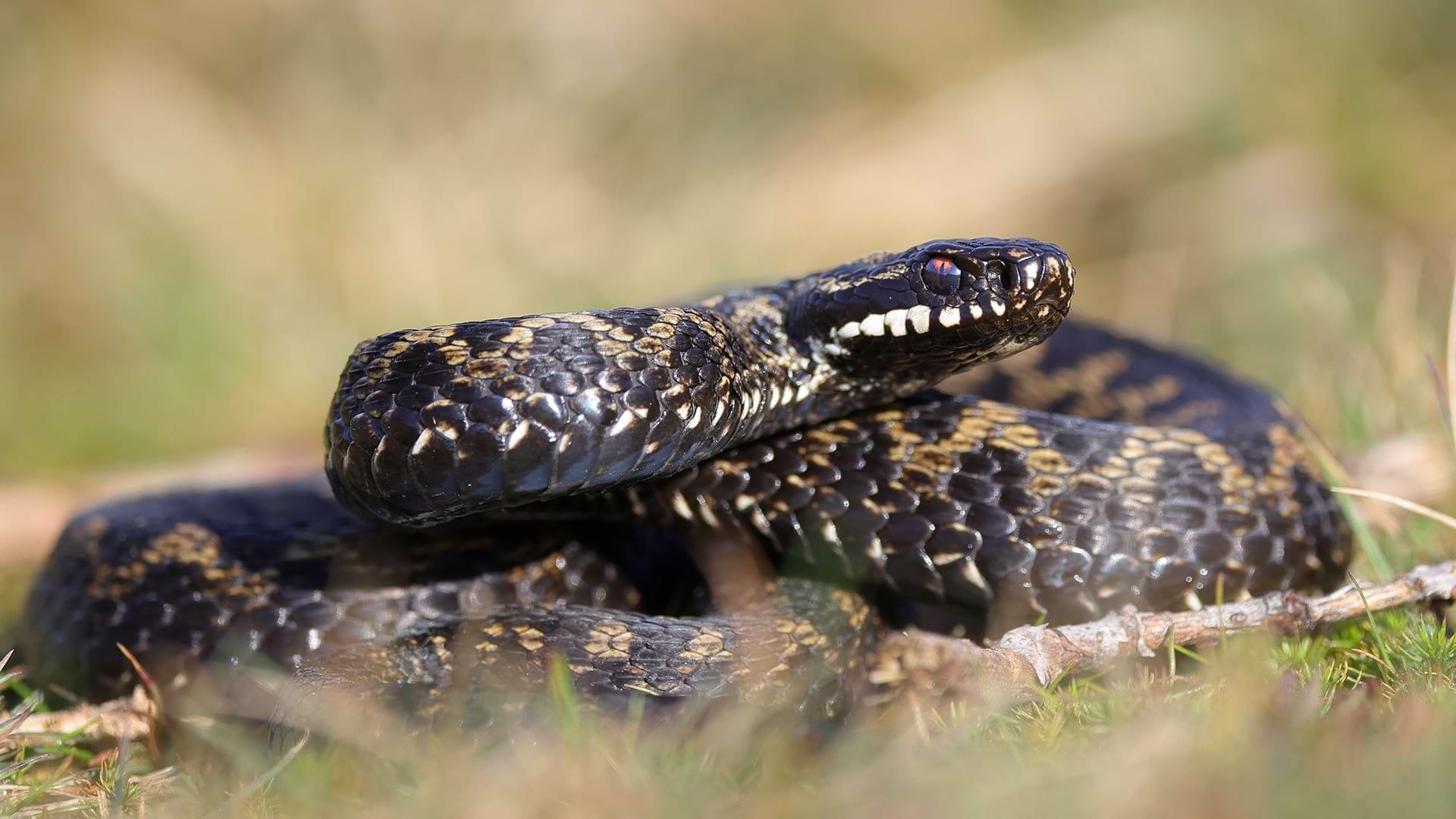
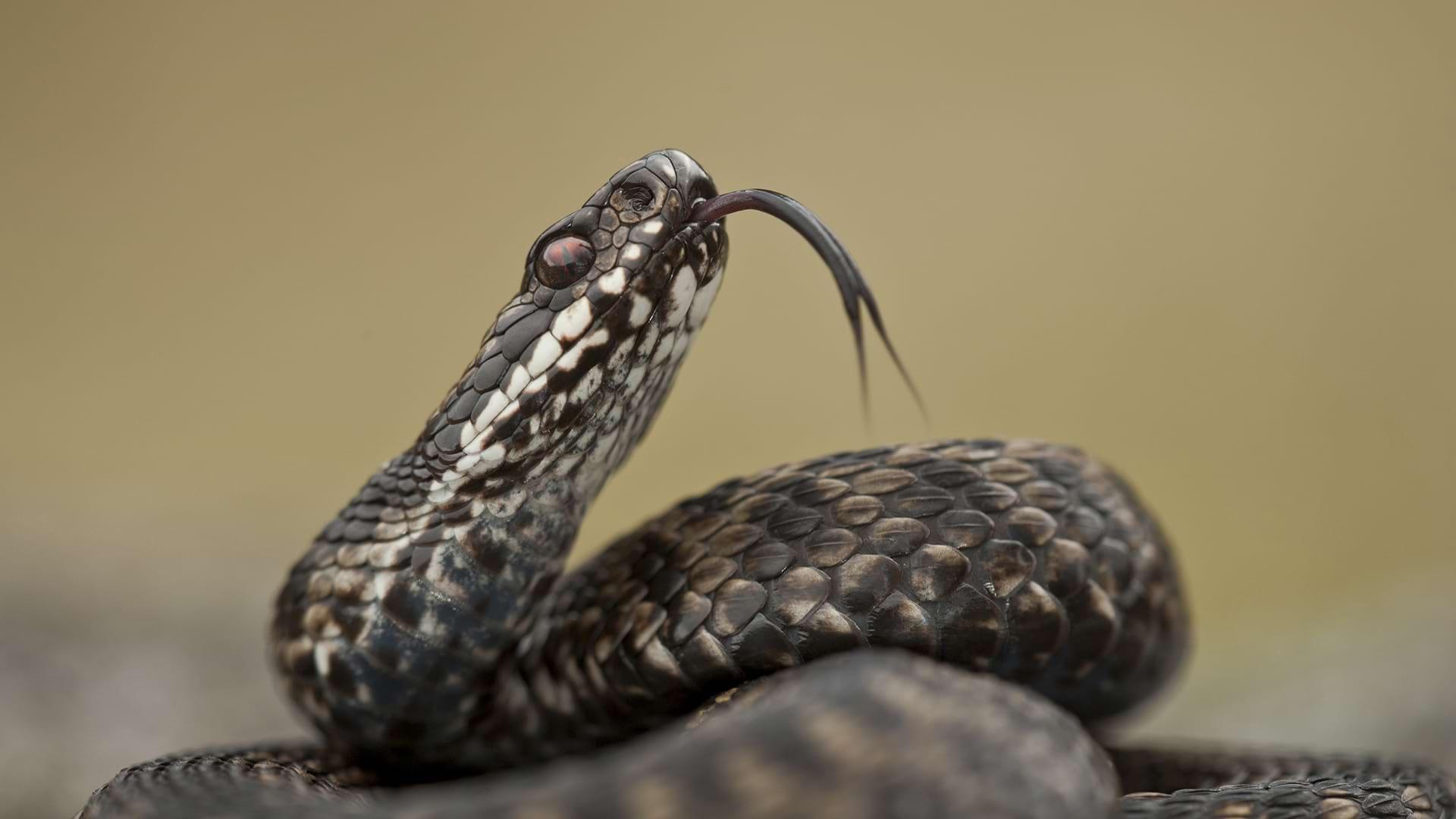
The Common Adder is the UK’s only native species of venomous snake and is characterised by a distinctive, black zig-zag pattern along their backs. In general, the males have a silvery-grey color, whilst the females are copper or brown, however fully black adders can also be seen here in the highlands.
Adders are fairly small, with adults measuring between 60 and 80cm in length, and juveniles starting from around 17cm at birth. Their diet consists mostly of small mammals and ground-nesting birds, and if they can find one maybe a Common Lizard.
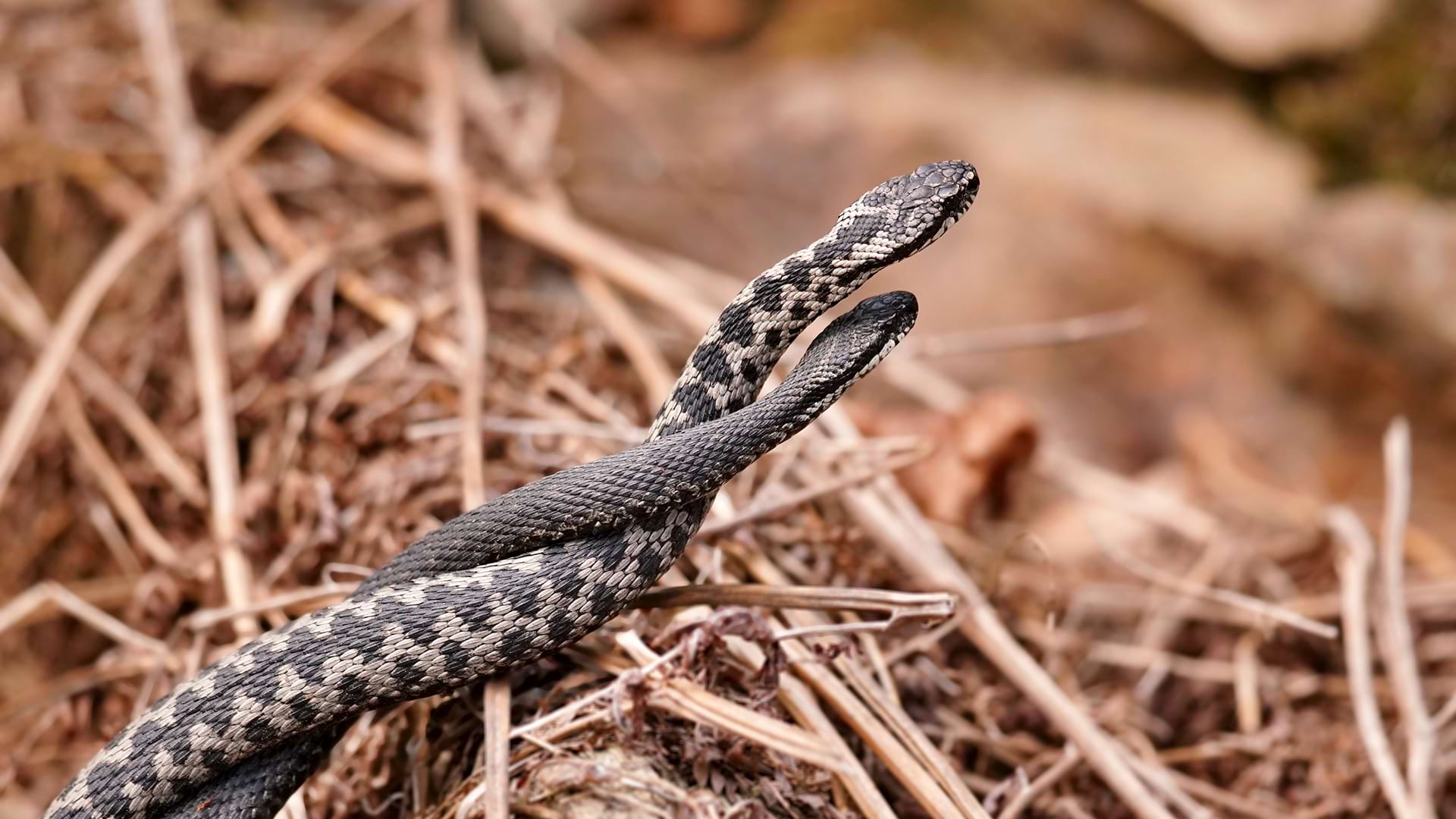
Adders normally hibernate starting in late October and emerge in late March / early April. During breeding season, the males engage in an elaborate ‘dance of the adders’, twisting around each other and pushing upwards, trying to force the other to the ground. This display of dominance is rare to see but can be very impressive if you’re lucky enough to catch it.
Adder Bites
Although the Adder is venomous, their reclusive nature means they rarely bite humans. You’re much more likely to see them sliding away through the undergrowth than rearing up to strike. Bites to livestock and pets are more common, so it is advisable to keep closer supervision of your dogs when walking in spring and summer.
If a bite does occur, it’s most likely to cause swelling and discomfort, however allergic reactions are possible, so the general advice is to seek medical assistance if one occurs. The hospital in Broadford, and the Old School Vet Practice in Harrapool are the most likely places to be able to assist.
Where to Find Me
Common Adder
Vipera berus
Image Gallery
Species Details
Reptiles
- Family:
-
Viperidae
- Origin:
-
Native
- Diet:
-
Small mammals, amphibians, birds, reptiles
The Common Adder is the UK’s only native species of venomous snake and is characterised by a distinctive, black zig-zag pattern along their backs. In general, the males have a silvery-grey color, whilst the females are copper or brown, however fully black adders can also be seen here in the highlands.
Adders are fairly small, with adults measuring between 60 and 80cm in length, and juveniles starting from around 17cm at birth. Their diet consists mostly of small mammals and ground-nesting birds, and if they can find one maybe a Common Lizard.
Adders normally hibernate starting in late October and emerge in late March / early April. During breeding season, the males engage in an elaborate ‘dance of the adders’, twisting around each other and pushing upwards, trying to force the other to the ground. This display of dominance is rare to see but can be very impressive if you’re lucky enough to catch it.
Adder Bites
Although the Adder is venomous, their reclusive nature means they rarely bite humans. You’re much more likely to see them sliding away through the undergrowth than rearing up to strike. Bites to livestock and pets are more common, so it is advisable to keep closer supervision of your dogs when walking in spring and summer.
If a bite does occur, it’s most likely to cause swelling and discomfort, however allergic reactions are possible, so the general advice is to seek medical assistance if one occurs. The hospital in Broadford, and the Old School Vet Practice in Harrapool are the most likely places to be able to assist.