Otter
Lutra lutra
Species Details
Mammals
Image
Mammals
- Family:
-
Mustelidae
- Origin:
-
Native
- Diet:
-
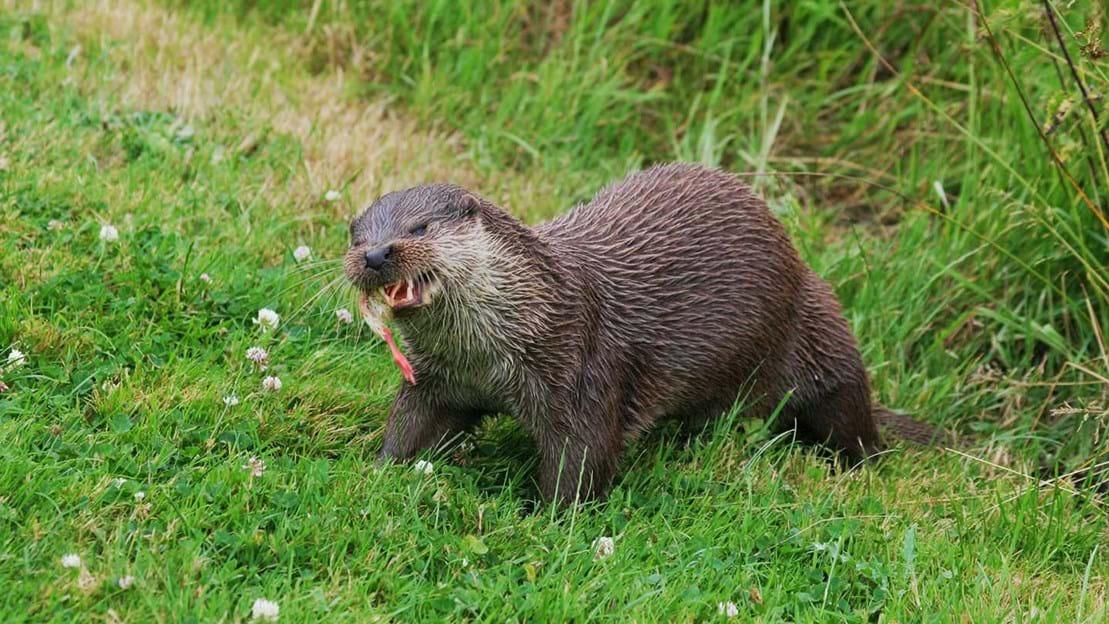
Fish, Amphibians, Birds, Eggs, Insects
Image Gallery

When to See Me
Jan
Feb
Mar
Apr
May
Jun
Jul
Aug
Sep
Oct
Nov
Dec
Image

Spotting Tips
As otters are most active at night, dawn and dusk are good times to look out for them. Follow our spotting tips for the best chance of tracking them down.
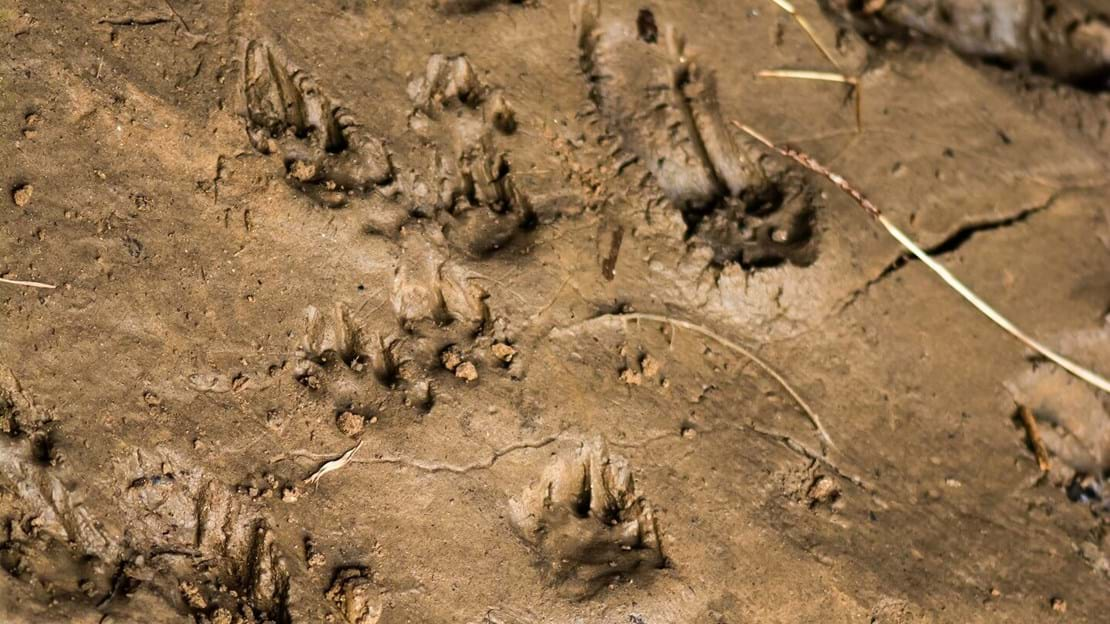
- Tracks: look for otter tracks in mud and sand close to the water. Around 40-80mm across, they have five toes (though may only show four). Their claw marks can't usually be seen, but you might be able to see the webbing.
- Spraint: otter droppings, known as spraints, are a greenish, black-grey colour and full of evidence of their diet: bones, shells, feathers and fur. They smell sweet and musky, like jasmine tea or laurel flowers. Left on rocks and logs close to the water, they are a method of communication with other otters.
- Water activity: spot otters from a distance in the water by a stream of bubbles as they dive and the V-shaped wake behind them when they swim. On the water's surface, their head and back are barely visible - but you might just catch a glimpse of their powerful tail as they dive below in search of food.
Where to Find Me
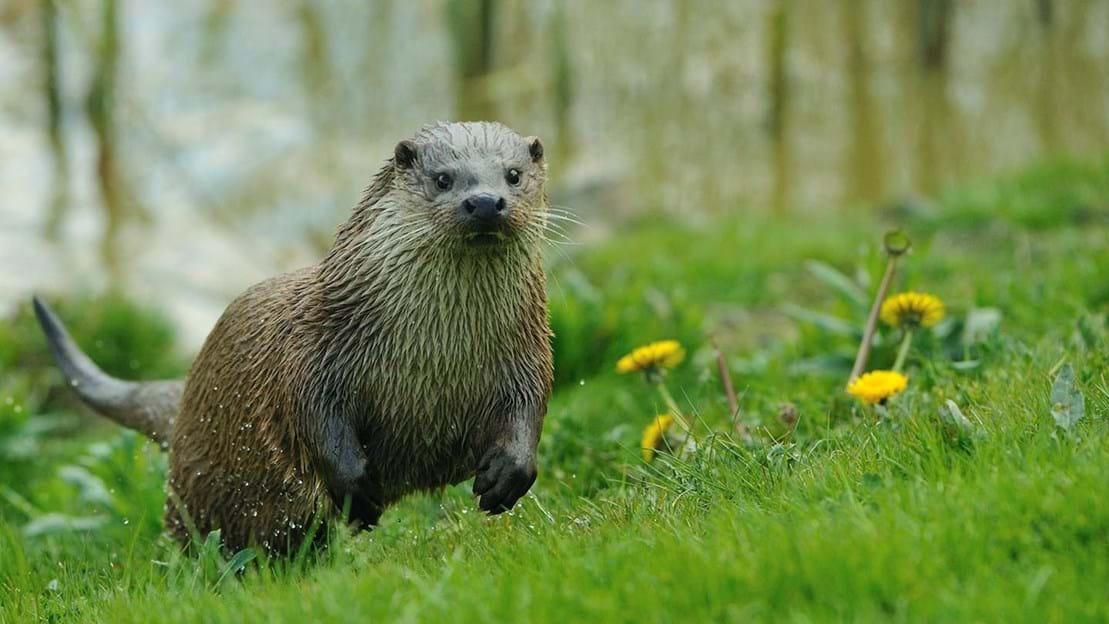
They will live wherever there is clean freshwater with plenty of food and secluded areas of vegetation to rest and raise young. Rivers, canals and lakes are ideal, and coastlines too if there's a freshwater source nearby.
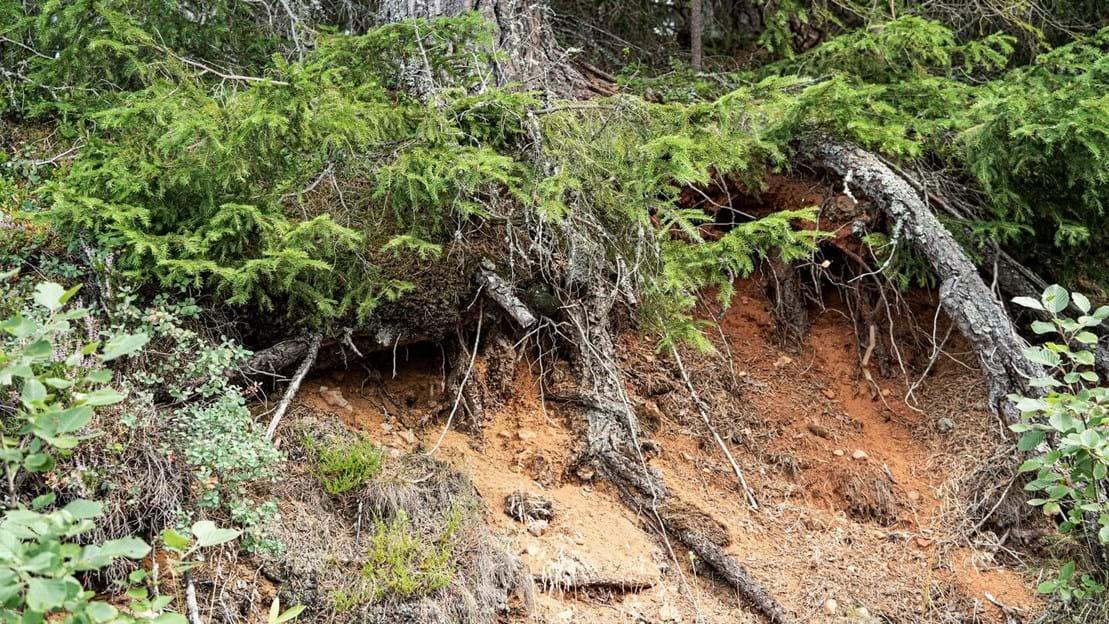
Nests known as holts are usually made in natural cavities in riverbanks, tree roots, shrubby thickets or rocky crevices. Lined with grasses, ferns, reeds and leaves, they have multiple entrances, some of which may be underwater. Some holts have more than one chamber too, which the otter may connect by digging a system of tunnels, including one to use as a latrine.
Nests known as holts are usually made in natural cavities in riverbanks, tree roots, shrubby thickets or rocky crevices. Lined with grasses, ferns, reeds and leaves, they have multiple entrances, some of which may be underwater. Some holts have more than one chamber too, which the otter may connect by digging a system of tunnels, including one to use as a latrine.
Image
Otter
Lutra lutra
Image Gallery
Species Details
Mammals
Image
Mammals
- Family:
-
Mustelidae
- Origin:
-
Native
- Diet:
-
Fish, Amphibians, Birds, Eggs, Insects
Jan
Feb
Mar
Apr
May
Jun
Jul
Aug
Sep
Oct
Nov
Dec
Image
As otters are most active at night, dawn and dusk are good times to look out for them. Follow our spotting tips for the best chance of tracking them down.
- Tracks: look for otter tracks in mud and sand close to the water. Around 40-80mm across, they have five toes (though may only show four). Their claw marks can't usually be seen, but you might be able to see the webbing.
- Spraint: otter droppings, known as spraints, are a greenish, black-grey colour and full of evidence of their diet: bones, shells, feathers and fur. They smell sweet and musky, like jasmine tea or laurel flowers. Left on rocks and logs close to the water, they are a method of communication with other otters.
- Water activity: spot otters from a distance in the water by a stream of bubbles as they dive and the V-shaped wake behind them when they swim. On the water's surface, their head and back are barely visible - but you might just catch a glimpse of their powerful tail as they dive below in search of food.
They will live wherever there is clean freshwater with plenty of food and secluded areas of vegetation to rest and raise young. Rivers, canals and lakes are ideal, and coastlines too if there's a freshwater source nearby.
Nests known as holts are usually made in natural cavities in riverbanks, tree roots, shrubby thickets or rocky crevices. Lined with grasses, ferns, reeds and leaves, they have multiple entrances, some of which may be underwater. Some holts have more than one chamber too, which the otter may connect by digging a system of tunnels, including one to use as a latrine.
Nests known as holts are usually made in natural cavities in riverbanks, tree roots, shrubby thickets or rocky crevices. Lined with grasses, ferns, reeds and leaves, they have multiple entrances, some of which may be underwater. Some holts have more than one chamber too, which the otter may connect by digging a system of tunnels, including one to use as a latrine.
Image